Vending Machine Business Lessons: Pivots, Routes, and Smarter Hardware Decisions
The vending business has a habit of rewarding operators who adapt quickly and punishing those who assume one successful product mix will stay successful forever. Demand shifts, venues change, payment behaviour moves, and categories that look irresistible in one season can go oddly quiet in the next. That is why the most durable vending machine business lessons are not about chasing hype. They are about building enough flexibility into the hardware, software, and route model to survive a full demand cycle.
Recent years made that painfully clear. During unusual demand spikes, operators and manufacturers found ways to use vending for products well beyond classic snacks and drinks. When those windows narrowed again, the real question was not whether the temporary category had been exciting. It was whether the chassis, merchandising logic, and service model could pivot into something commercially sensible afterwards.
Lesson one: flexibility beats single-purpose enthusiasm
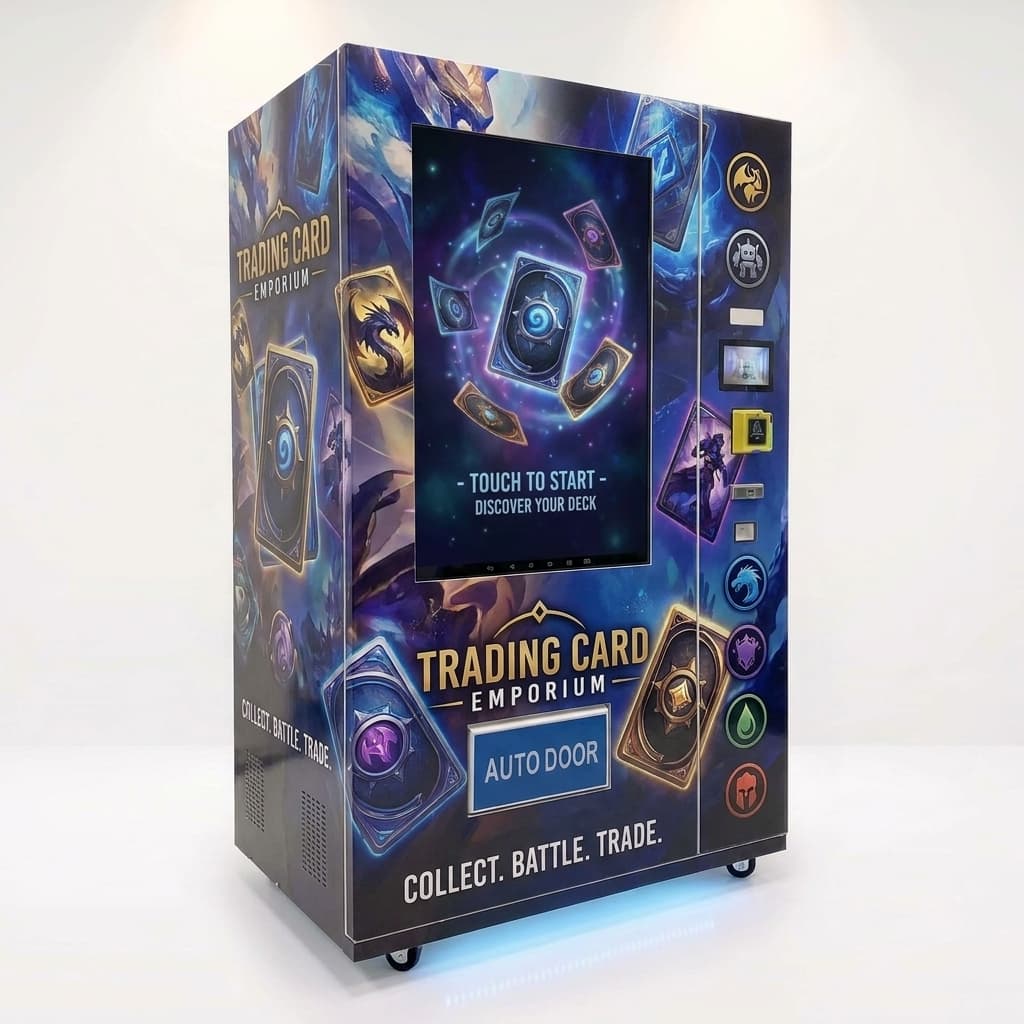
A machine that can be re-merchandised, re-skinned, and reconfigured has a far longer commercial life than one built around a single passing use case. That does not always mean a fully bespoke cabinet, but it does mean thinking carefully about whether the platform can absorb changes in product size, content flow, payments, and customer messaging. When buyers ignore that, they end up owning a very committed monument to last year’s idea.
This is where understanding custom vending machine design costs becomes useful. Customisation is valuable when it protects the business from obvious mismatch or opens a high-value category that a standard cabinet cannot serve. It is less clever when it locks the operator into a machine that cannot evolve with the market.
Lesson two: venue fit matters more than generic vending theory
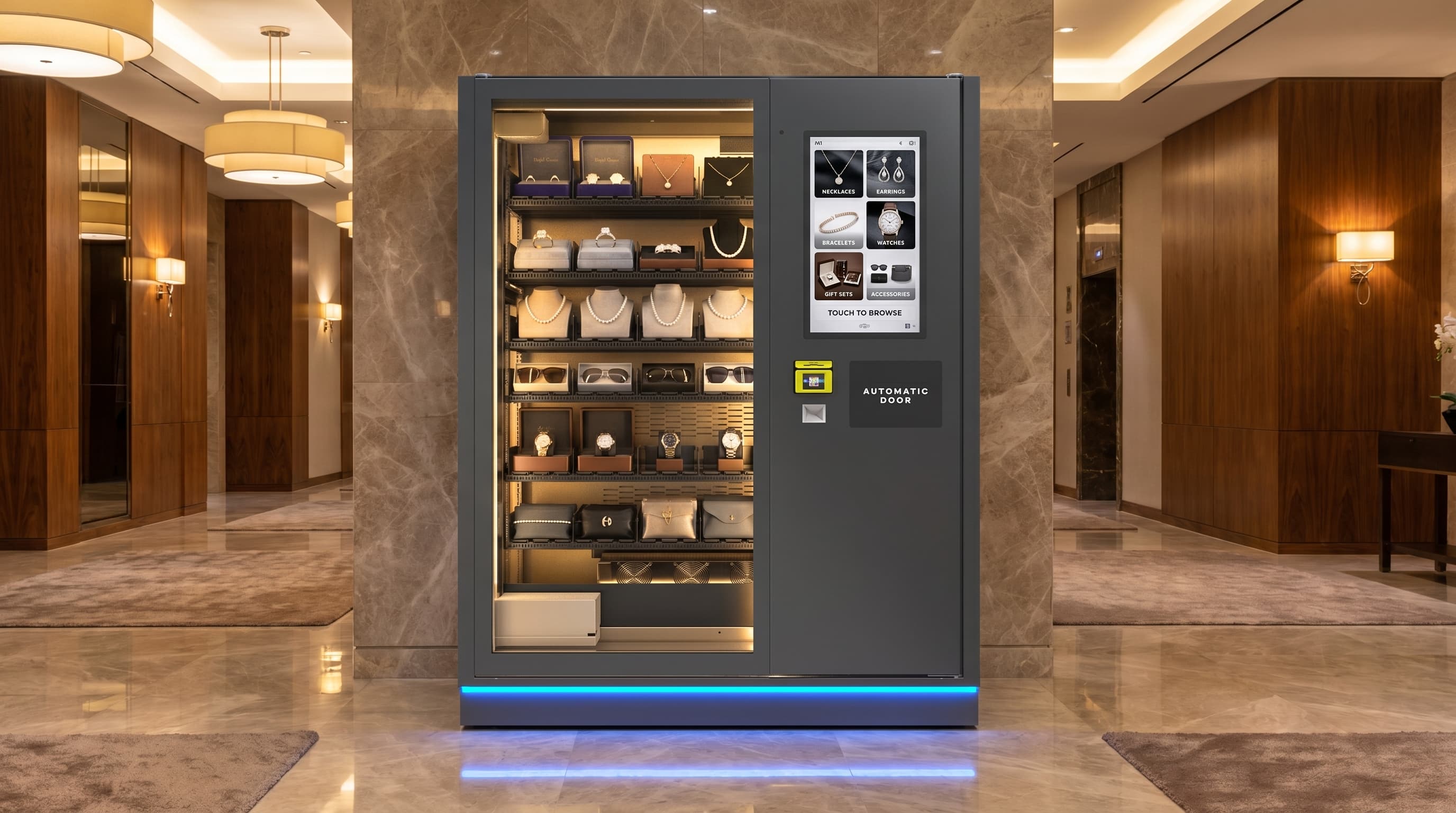
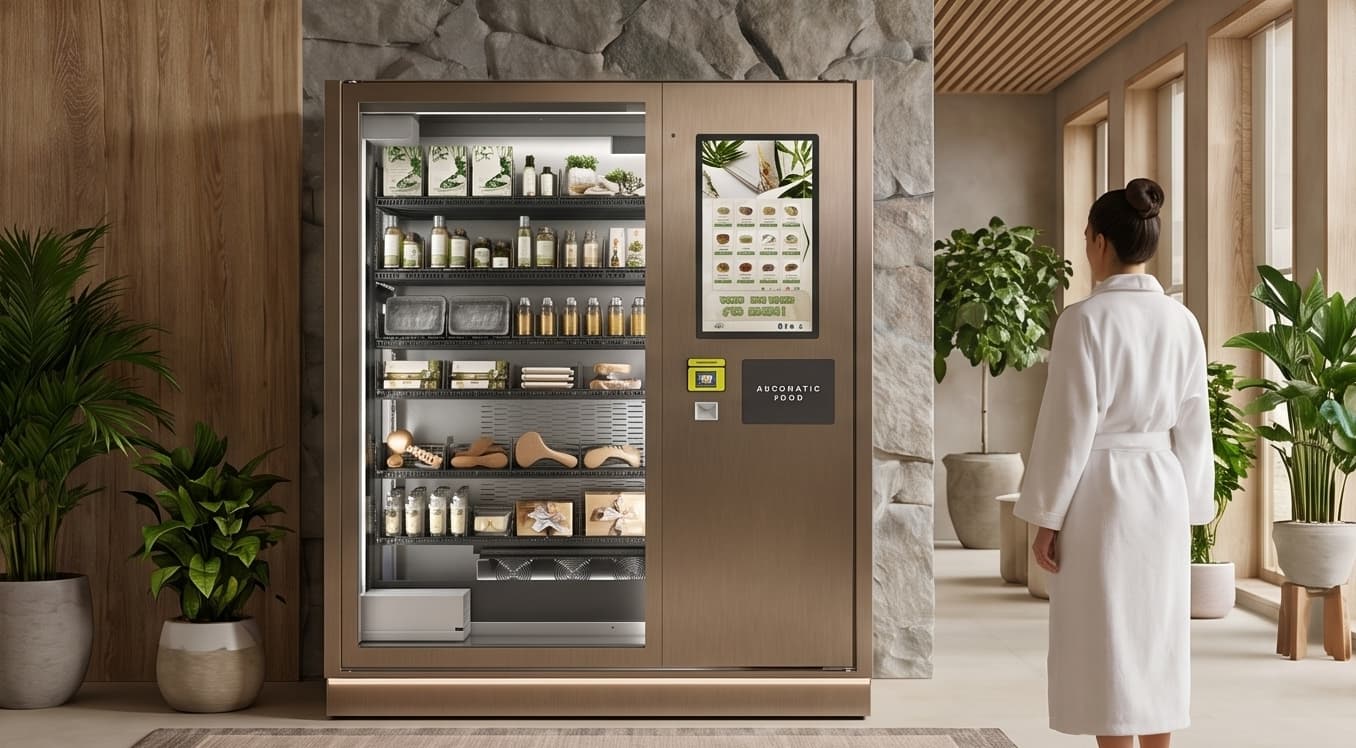
Operators who treat every location as a snack-and-drink problem usually leave money on the table. Different environments ask for very different retail logic. A machine in an airport needs urgent travel products and airside service discipline, not the same planogram as a suburban office corridor. A senior living site needs accessibility and resident-appropriate essentials, not the same UX assumptions as a college lobby.
That is why venue-specific thinking matters across the portfolio. Dynamic pricing can make sense in selected high-traffic environments when used carefully, as explored in dynamic pricing for vending machines. Autonomous convenience-store vending solves a different problem again, while airport vending programs live or die by terminal logic rather than general retail advice.
Lesson three: the interface layer now changes the economics
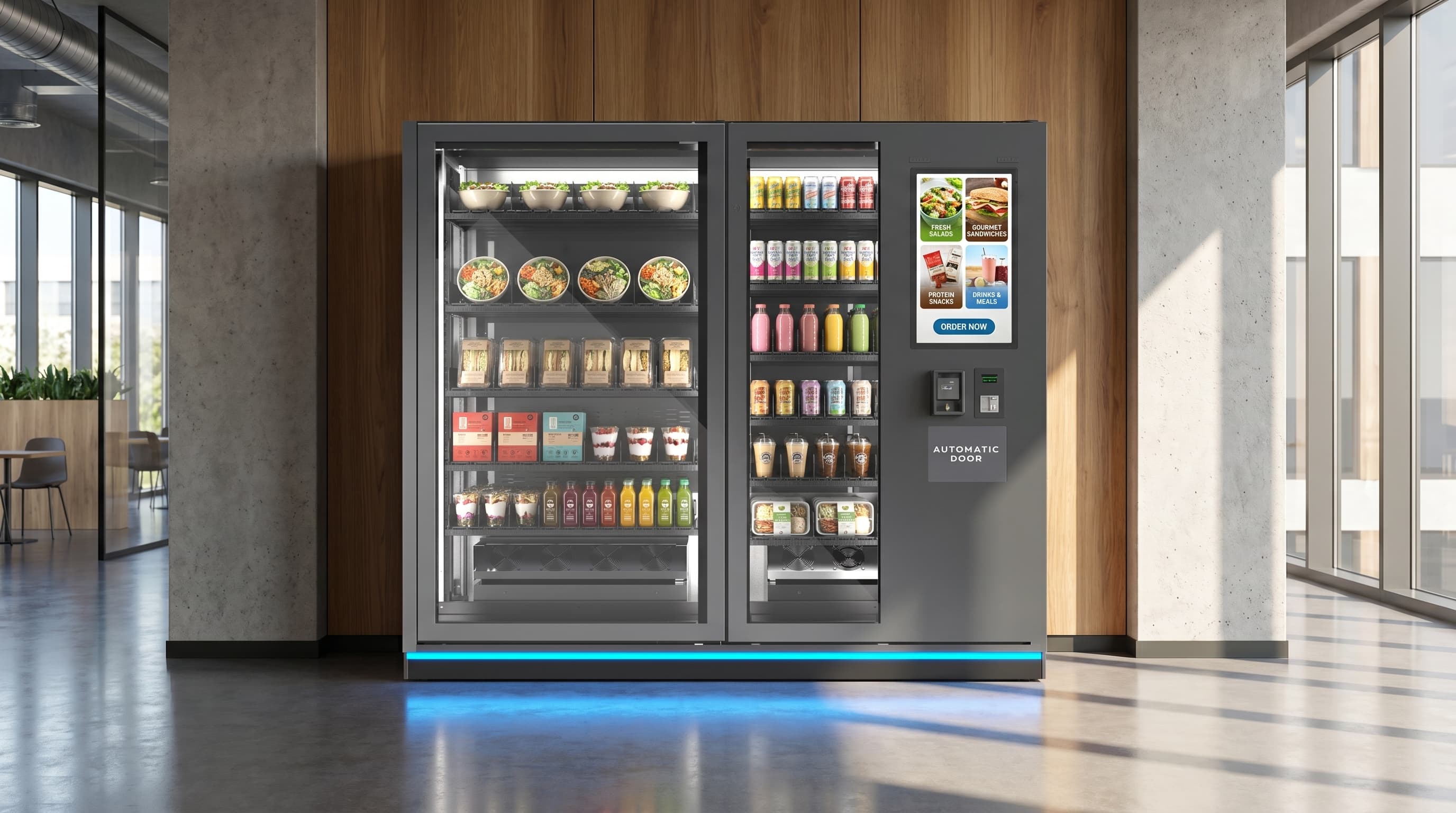
Modern unattended retail is not only about the cabinet. It is increasingly about the interface. A clearer digital buying journey, better product presentation, and cleaner cashless checkout can all improve conversion without changing the physical footprint. That does not mean every machine needs a theatrical touchscreen, but it does mean operators should understand the difference between a static legacy unit and a software-led retail device.
If that distinction is fuzzy, it helps to start with what a digital vending machine actually is. From there, the broader question becomes how innovation changes the buying journey, which is exactly the lane covered in innovative vending systems.
Lesson four: data beats route folklore
Operators still need sound instincts, but instinct alone is a poor substitute for telemetry. SKU-level sales, stock visibility, payment-terminal status, and machine-health alerts help the business route service more intelligently and catch issues before they become expensive. Standards such as MDB and reporting layers such as DEX matter because the commercial story gets much better when the machine is not a black box.
This is also why vending analytics is no longer a side topic for large operators. It is a core operating discipline. For a deeper look at the reporting side, vending machine business analytics is the natural follow-on read.
Lesson five: resilience comes from optionality, not optimism
The best vending programs keep options open. They can shift assortment, adjust pricing, redeploy a machine, change content, or move the unit to a better venue without treating the change like open-heart surgery. That optionality protects margin when customer behaviour changes and shortens the time between spotting a problem and correcting it.
The underlying lesson is fairly simple: vending evolves, and successful operators evolve with it. Businesses that treat automated retail as a living channel usually find new revenue faster than those that treat a machine as a decorative appliance with a card reader bolted on. A grim little truth, perhaps, but a useful one.
Planning a vending program that can adapt when the market shifts?
DMVI helps operators choose machine formats, payment stacks, interface layers, and deployment strategies that hold up across changing venues, categories, and demand cycles.